EXTENDED MISSION 01 · RADIATION BELT TOMOGRAPHY
Turning the danger zone into a 3D map
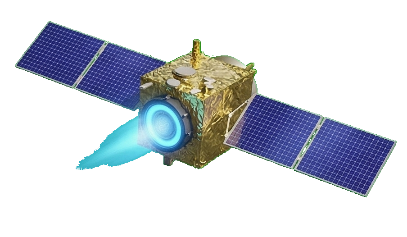
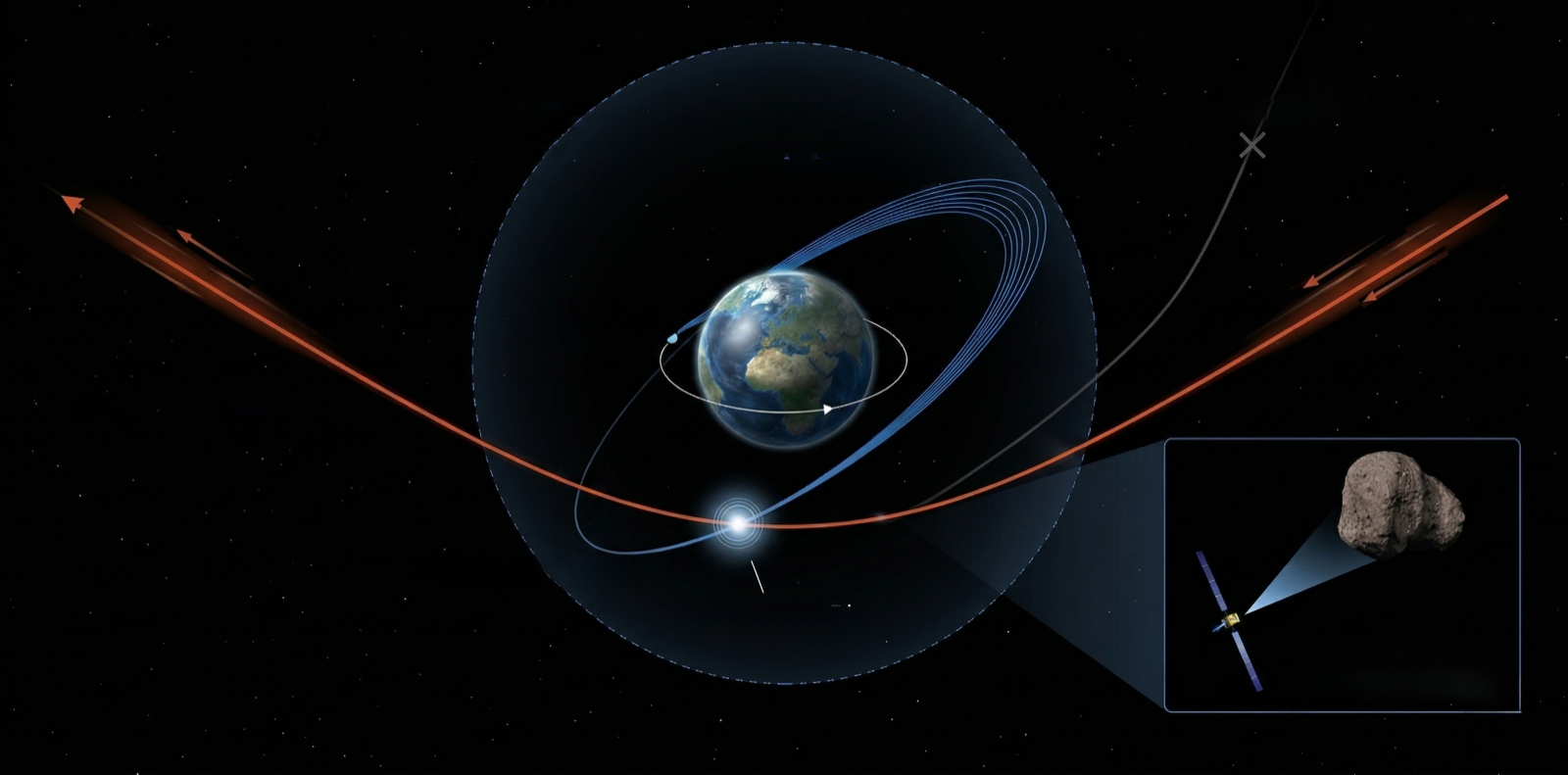
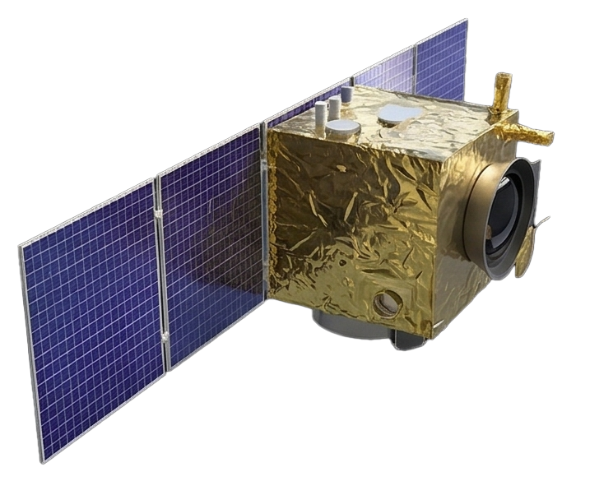
On the way up, the spacecraft will cross the Van Allen radiation belts again and again — a region conventional missions steer well clear of. START turns it into a scientific opportunity: carrying a radiation-detection payload co-developed with Tsinghua's GRID (Tiange) team, it samples continuously across altitude through the 377-day, 3,048-orbit spiral transfer on the real trajectory, completing the world's first continuous tomographic survey of the radiation belts and delivering key measured data for protecting high-orbit satellite platforms.
Ionizing dose during transfer9.05krad(Si)DESIGN · Spiral revolutions3,048orbitsDESIGN
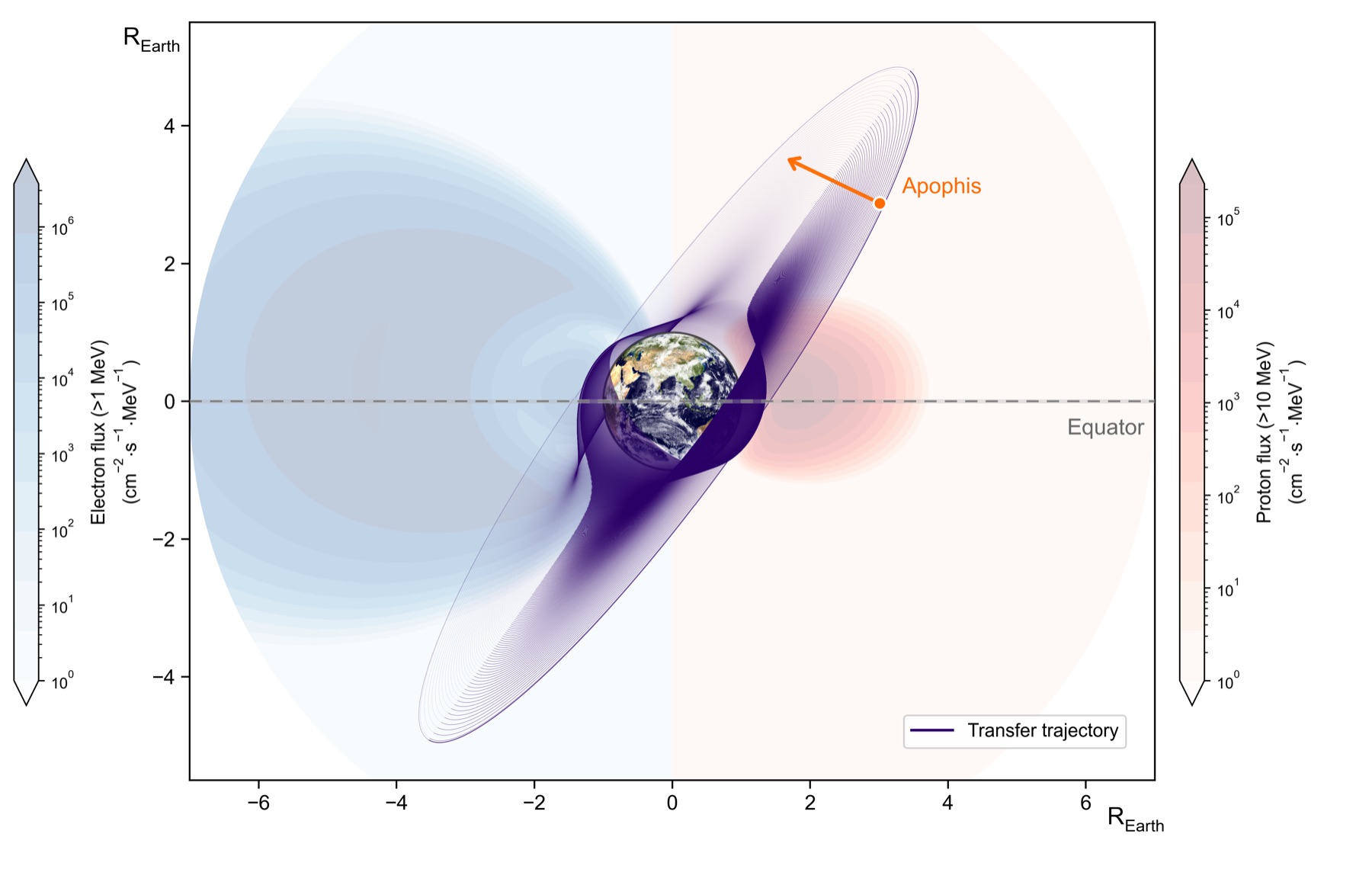
The spacecraft spirals from 1,000 km up to 31,600 km, crossing the inner and outer Van Allen belts again and again while sampling continuously along the way — thousands of orbital passes weave into a three-dimensional dose map of the belts.
Altitude 1,000 KM
Cumulative dose 0.00 krad
Belt transits 0
Dose and orbit counts are design values (3 mm equivalent aluminum shielding) · Payload co-developed with the GRID project · Drag the view to rotate
Where others steer clear, we chart the map.