Measured data for planetary defense
How a rubble-pile asteroid responds to a strong gravitational disturbance — an unavoidable lesson for assessing defenses such as kinetic impactors and gravity tractors.
When discovered in 2004, it was the most threatening object humanity had ever known. In 2029 it will make a close pass of a kind that recurs only about once every 7,500 years — and this time, we will be waiting at closest approach.
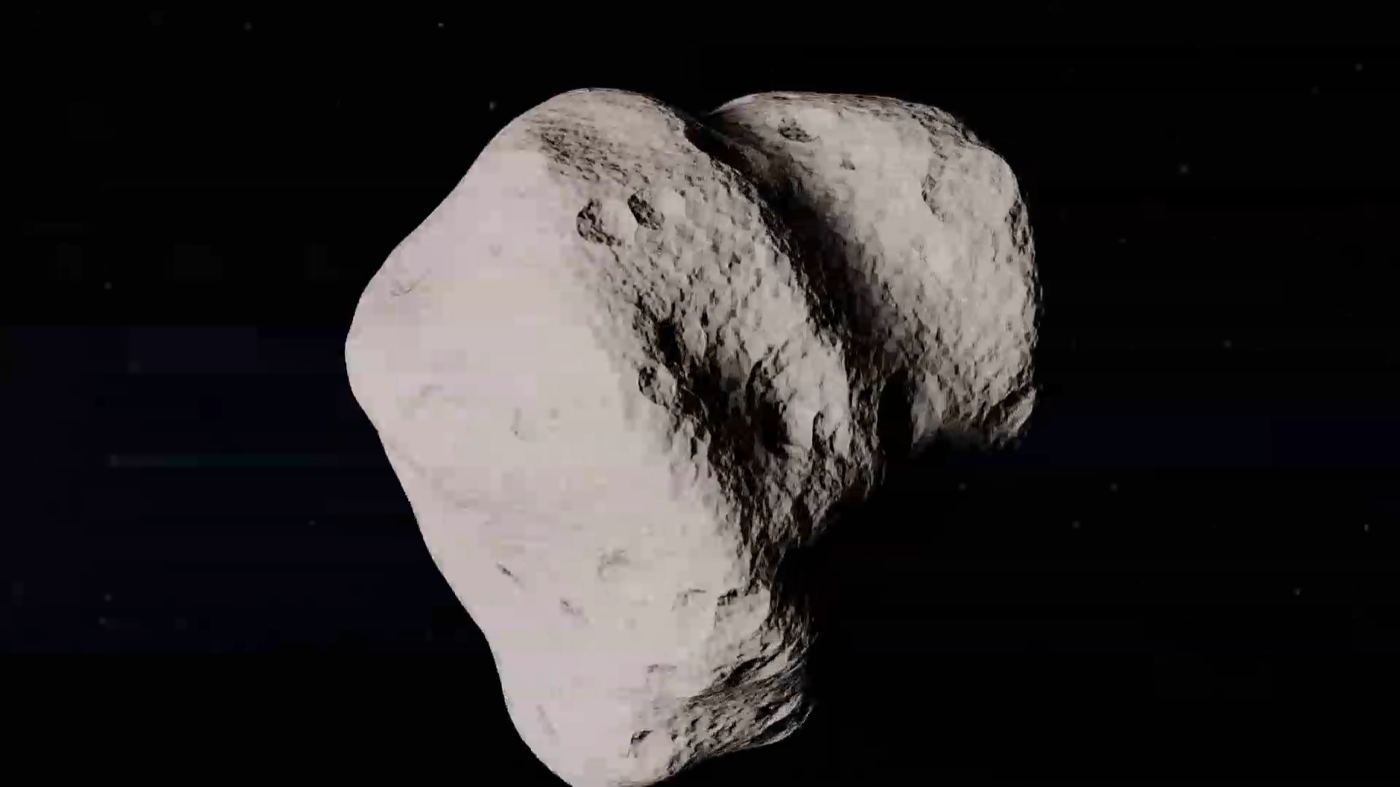
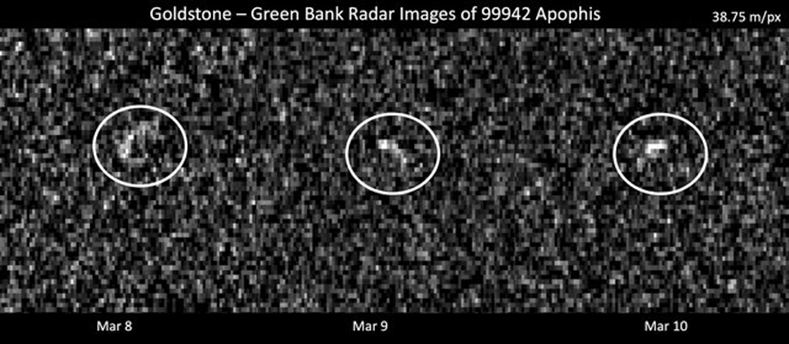
In December 2004, early calculations put its odds of striking Earth in 2029 as high as 2.7% (1 in 37) — Torino scale 4, the only object ever rated that high. Precovery archival images later ruled out 2029, but doubts over a 2036 "gravitational keyhole" lingered for years. Then in March 2021, Goldstone and Green Bank radar shrank the orbital uncertainty to almost nothing: JPL (Mar 25) and ESA (Mar 26) removed it from their risk lists — safe for 100+ years.
Threat retired. Science takes the stage.
At 05:46 on April 14, 2029 Beijing time (2029-04-13 21:46 UTC), Apophis reaches closest approach — Miss distance (altitude)31,600km — above the Atlantic.
Roughly 2 billion people across Europe, Africa, and West Asia will watch it cross the night sky with the naked eye (peaking near magnitude 3.1); meanwhile China's ground-based observing network sits in a blind spot — which is exactly why START exists: if we can't see it from here, we fly out to meet it. Encounter details →
Earth flyby speed: 7.42km/s(Apophis rel. to Earth) (note: a different reference frame from the spacecraft's 8.74 km/s encounter speed)
ALTITUDE LADDER · LOG SCALE
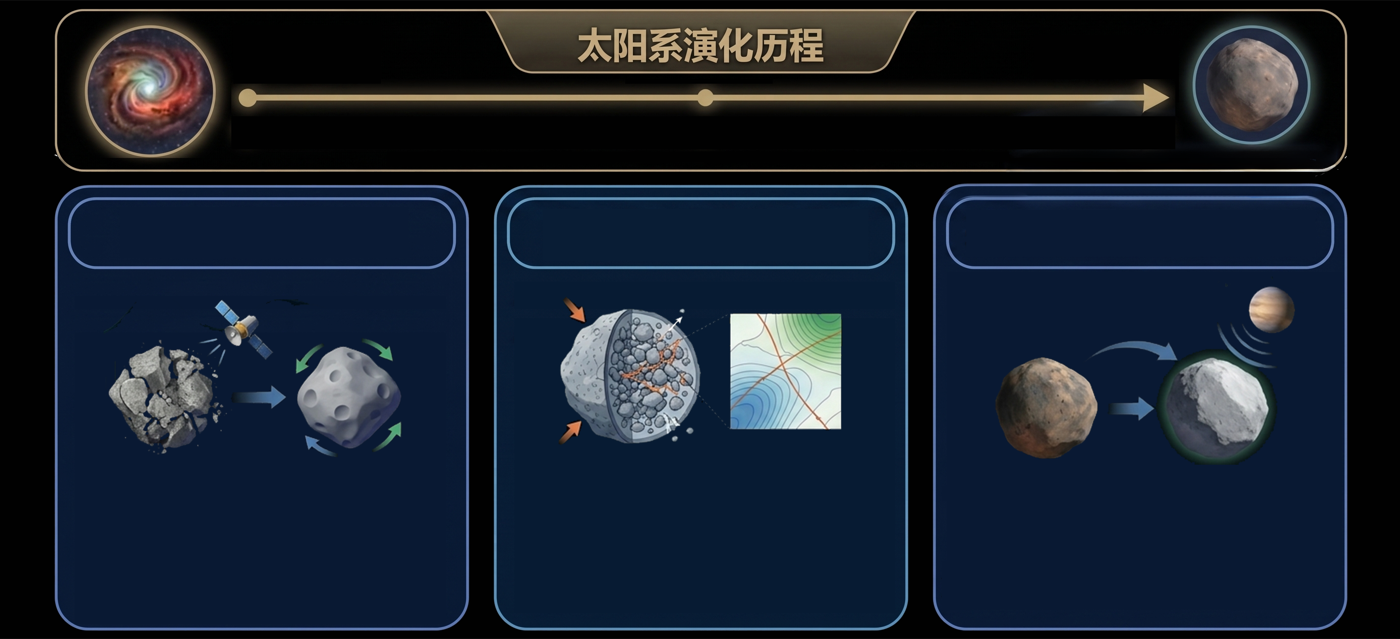
During the flyby, Earth's tidal forces will tear at this rubble-pile body in real time — surface landslides, fresh material exposed, a changed spin state, perhaps even measurable asteroid-quakes. Conventional missions only ever see the results of evolution; this time, humanity watches the process itself for the first time.
How a rubble-pile asteroid responds to a strong gravitational disturbance — an unavoidable lesson for assessing defenses such as kinetic impactors and gravity tractors.
Pristine material from 4.6 billion years ago is sealed inside; the tides rip open the surface layer, exposing "fresh samples" from within.
Do close planetary encounters trigger asteroid surface refreshing? Apophis will deliver the first-hand answer.
ATEN → APOLLO · HELIOCENTRIC TOP-DOWN VIEW
Earth never hit it — but changed it forever.
RESOLUTION LADDER · FOUR WAYS OF SEEING ONE ASTEROID
Ground-based optical telescopeunresolved point
Even in the best ground-based telescopes, it is just a moving point of light.
Peak resolution8cm/px
UN General Assembly resolution A/RES/79/86 (2024-12-04) declared 2029 the International Year of Asteroid Awareness and Planetary Defence; the International Asteroid Warning Network (IAWN) and the Space Mission Planning Advisory Group (SMPAG) are coordinating observations worldwide. It will be the first recorded close pass of a "potentially hazardous asteroid" visible to the naked eye.